
Word Wars - Word Game
PlaySimple GamesWord
4.420.48K Reviews
- Version
- 1.874
- Installs
- 5.00M
- Age Rating
- Everyone
Screenshots
Our Review of Word Wars - Word Game
 Analysis by Appyee
I’d approach Word Wars as a friendly, turn-based word contest rather than a quick solo puzzle. Its appeal is the combination of building words from letter tiles and reacting to another player’s choices, so a first game is less about knowing obscure vocabulary and more about spotting useful placements. If you enjoy a little competition but want to play at your own pace, that mix makes a welcoming first step into mobile word games.
It is a free word game from PlaySimple Games, rated for Everyone, and it has an average rating of 4.4 from around 84,000 ratings. The current version is 1.856, and the game has been available since August 29, 2017. Those details put it in the familiar, well-established corner of mobile word play; the more important question is whether you like making tactical choices while another person is working toward their own score.
What to expect from a match
The basic rhythm is easy to grasp: use the letters you have to make a word on a shared board, while trying to score well and avoid leaving a tempting opening for your opponent. That makes each turn a small puzzle with two parts. You are looking for a strong play for yourself, but also considering what the board will let the other person do next.
Compared with a solo anagram or crossword app, this feels less like steadily solving a fixed set of clues and more like adapting to a changing position. Compared with a traditional board-game session, it is easier to fit around a busy day because you can have more than one match underway instead of needing everyone to sit down together. The trade-off is that the pace depends on other players: if you want a new puzzle to solve instantly every time you open an app, a solo game may suit you better.
The game is free to download and includes in-app purchases priced from $0.99 to $99.99 per item. I would treat optional spending cautiously and decide for myself whether any purchase adds enough value before buying. The game has more than five million installs, which gives a new player a good reason to expect that multiplayer is a central part of the experience rather than an afterthought.
Making the first turn feel manageable
On your first visit, give yourself a moment to see how the board, your tiles, and the available controls fit together before trying to maximize every move. You do not need to know a long list of unusual words to begin. Start by looking for a valid word that connects sensibly to the existing board, then check whether its placement uses a bonus square or blocks one that would be especially helpful to the other player.
A practical first-match habit is to compare a safe, familiar word with a more ambitious placement. The highest-scoring word is not always the best turn if it opens an easy scoring opportunity in return. I find it more useful to ask, “What does this move leave behind?” than to chase a big-looking play every time. That question gives new players a strategy they can use immediately, without needing to memorize specialist vocabulary.
If you are unsure whether a word is accepted, the in-game dictionary can help you check before committing. That is especially useful when a word feels plausible but you do not want to spend a turn testing it. I would still use it as a check rather than a substitute for learning: over time, noticing which kinds of words you tend to question can help you make decisions with more confidence.
Getting comfortable with its social, asynchronous style
Because the matches involve other people, the game can bring a light social edge that a solo word puzzle does not have. Chat gives players a way to add friendly conversation or teasing to a game, but it is entirely reasonable to focus on the board instead. If you prefer quiet play, you can treat each turn as a word challenge and leave the social side in the background.
Playing several games at once can make waiting less frustrating, though it also changes how you manage attention. I would begin with a small number of matches, learn how often you naturally check in, and only add more if switching between boards still feels enjoyable. The notifications can remind you about turns, but frequent alerts may not suit everyone; adjusting how you handle them on your device can help keep play from interrupting work, study, or downtime.
Who will enjoy it—and who may prefer another game
Word Wars is a strong fit if you like familiar letter-tile play, want opponents rather than only computer-generated puzzles, and enjoy thinking through a board over several visits. It can also work well for someone who wants a low-pressure way to keep a word game going with friends: take a turn when there is a spare moment, then return later without arranging a full session.
For example, I can imagine opening a match during a quiet break, choosing a word that earns a reasonable score without handing over a useful bonus square, and then moving on with my day. Later, I might check another board rather than waiting on the first. That is the kind of everyday use the multiple-game format supports: brief bursts of thought instead of a long block of uninterrupted play.
On the other hand, this is not my first choice when I want a guaranteed quick finish, a structured solo campaign, or a completely predictable challenge. Multiplayer means the pace and difficulty can vary with the person across the board. A crossword app is a better fit for clue-led solving; a solo anagram game is better when I want immediate rounds; and a face-to-face board game may be preferable when conversation and shared time matter more than flexible timing.
Small decisions that improve the experience
One useful way to learn the board is to review your last move after the opponent responds. Notice whether the word you placed created a scoring lane or closed one, and whether a modest alternative would have left the board safer. This is more practical than trying to plan every future turn: the board changes, so short, repeatable observations are easier to apply.
Try not to spend every turn searching for a rare word. A familiar word placed well can be more valuable than an unusual word forced into a poor position, and conserving a useful set of letters may leave you with better options later. When you have several games open, make a quick mental note of which board needs a careful defensive move and which one simply has an obvious safe play. That small routine helps prevent the matches from blending together.
Another trade-off is that the social and competitive elements may be part of the charm for one player and unwanted noise for another. If you are playing with friends, chat can make the contest feel personal; if you are matched with someone you do not know, you can keep your attention on the moves. I would not choose the game primarily for conversation, but the option adds a human touch that a standard solo puzzle lacks.
Getting Started with Word Wars
When you first fire up Word Wars - Word Game, you’re greeted with a sleek and simple interface. It’s not cluttered, which is a breath of fresh air. You can jump right in without any complicated tutorials dragging you down. Just a quick sign-up, and boom, you’re ready to battle it out with words.
The Gameplay Experience
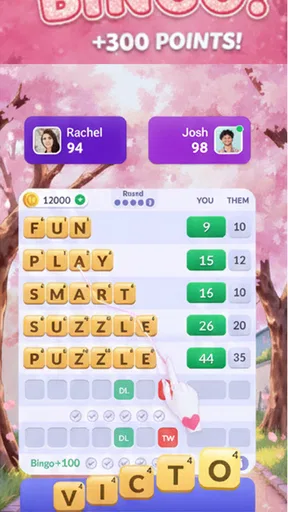
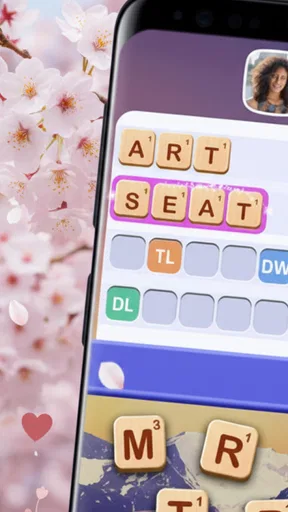
The game mechanics are pretty straightforward. You get a set of tiles with letters, and your objective is to form words on the board, much like Scrabble. But here’s the twist—you’re playing against real people. Yes, it’s multiplayer, so you can challenge your friends or let the game match you with opponents from around the globe.
I’ve had a blast trying to outsmart my opponents with clever word placements. The thrill of using a high-scoring tile in a strategic spot is immensely satisfying. Plus, the game has a chat feature, so you can engage in some friendly banter or even trash talk if that’s your style.
Features That Stand Out
One thing I love about Word Wars is the variety of board layouts. Each game feels fresh, and you never know what challenges await with each new opponent. The game also provides daily challenges and rewards, which keeps you coming back for more.
Another neat feature is the ability to play multiple games at once. This means you’re never waiting around for your opponent to make a move. You can jump into another game and keep the fun rolling. The interface makes it easy to switch between games, and the notifications ensure you never miss your turn.
Strategy and Tips
Now, if you’re looking to up your game, here are a few tips. First, always keep an eye on potential high-scoring spots on the board. Using bonus tiles effectively can make all the difference. Also, try to block your opponent’s access to these tiles—defense is just as important as offense.
Don’t forget to make use of the game’s dictionary feature. If you’re unsure about a word, the game lets you verify it before placing it on the board. This can save you from wasting a turn on an invalid word.
Playing at your own pace
As you get used to the turn-by-turn rhythm, decide whether you prefer a few thoughtful matches or several boards to dip into. The latter gives you something else to do while one opponent takes a turn, but it can make the game feel like a series of small obligations if you open too many. I would keep the number of active games comfortable rather than treating every notification as something that needs an immediate response.
For a first meaningful success, focus on making a legal word and understanding what happened after it lands: how it connects, what score it earns, and which squares remain available. That is a more reassuring milestone than trying to beat an experienced player on your first go. Once that basic loop feels natural, you can experiment with more defensive placements and learn which board situations reward patience.
Final Thoughts
Overall, Word Wars - Word Game is a fantastic way to flex your mental muscles. The community is vibrant, and the competition is fierce. Whether you’re in it for the strategy, the social interaction, or just to pass the time, Word Wars has something for everyone.
If you haven’t tried it yet, I highly recommend giving it a go. You can download it from the app store of your choice and start battling it out with words today. It’s free to play, so there’s really nothing to lose except maybe a few hours of your day!
Happy word hunting!
Verdict
Strengths of Word Wars - Word Game
- Engaging multiplayer gameplay.
- Expands vocabulary effectively.
- Intuitive user interface.
- Regular updates with new challenges.
- Cross-platform compatibility.
Limitations of Word Wars - Word Game
- In-app ads can be intrusive.
- Limited offline mode features.
- Frequent notifications may annoy.
- Occasional lag in matchmaking.
- Requires constant internet connection.
Other Releases by PlaySimple Games
View All


Similar Picks in This Category
View All
Word Search - Word Puzzle Game
Bluetile4.8

Word Search Quest - Puzzles
Blackout Lab4.8

CodyCross: Crossword Puzzles
Fanatee, Inc.4.7

Words of Wonders: Crossword
Fugo Games4.9

Wordscapes: Word puzzle game
PeopleFun4.7

Word Search Explorer
PlaySimple Games4.9
Frequently Asked Questions
What is Word Wars - Word Game about?
Word Wars is a competitive word puzzle game that challenges players to create high-scoring words using a given set of letters. Similar to classic word board games, it emphasizes strategic thinking and vocabulary skills. Players can compete against friends or random opponents globally, making it both a fun and educational experience.
Is Word Wars suitable for children?
Yes, Word Wars is suitable for children, especially those who enjoy word puzzles and want to expand their vocabulary. It promotes learning through play, helping young users to improve their spelling and word formation skills. However, parental guidance is recommended to ensure appropriate in-app interactions and purchases.
Does Word Wars require an internet connection?
While Word Wars can be played offline against AI opponents, an internet connection is necessary for its full functionality. Online play allows users to compete against friends or other players worldwide, engage in leaderboards, and receive updates. Offline play is limited to practicing skills without competitive elements.
Are there any in-app purchases in Word Wars?
Yes, Word Wars offers in-app purchases. These can range from purchasing additional hints or power-ups to removing ads. While the game is free to download and play, these purchases can enhance the gaming experience. Users should monitor spending, particularly if children are playing the game.
Can I play Word Wars with friends?
Absolutely! Word Wars is designed for social play. You can connect with friends by linking your social media accounts or inviting them via in-game options. This feature allows you to enjoy friendly competition and share the excitement of discovering new words together.
Play our best games!


